

9 Important Daily Wellness Tips for Middle-Aged Women
Some days, taking care of yourself slips to the bottom of the list. There are people to check on, appointments to keep, meals to make, and a phone that seems to need something every five minutes.
By evening, you may realize you haven’t done much for yourself at all.
Midlife can bring changes in your body, your responsibilities, and the way you see yourself. You might be caring for someone, adjusting to a quieter house, thinking about retirement, or simply wondering why your old routine no longer feels right.
Daily wellness tips for middle-aged women should make life more manageable. The most useful habits fit your energy, your health, and the life you actually have.

~Marianne Williamson
These nine ideas offer a place to start. Choose what feels helpful now, and leave room to adjust as your needs change.
At a Glance
- Start with one small habit that fits your day rather than changing everything at once.
- Give meals, movement, and sleep regular attention, with choices that suit your health and abilities.
- Make room for enjoyment, supportive relationships, and time to hear your own thoughts.
- Let your routine bend when life gets complicated. A missed day doesn’t erase your effort.
- Ask for support when symptoms or stress make daily life hard to manage.
1. Establish a Daily Routine That Supports You
A daily routine gives you a few familiar places to return to when life feels scattered. It can also help you make room for your needs before the day fills up with everyone else’s.
Start with two or three simple habits that fit naturally into your day. For example:
- Eat breakfast before you begin your morning tasks.
- Take a short break after lunch to step outside or sit somewhere quiet.
- Begin winding down at about the same time each evening.
Build around something you already do. If you always have a morning cup of tea, use those few minutes to check in with yourself before opening your phone.
Ask, “What do I need today?” The answer may be movement, company, rest, or help with something you’ve been carrying alone.
Keep your routine flexible. A busy caregiving day and a quiet Saturday may need different versions of the same habit.

2. Find Activities You Actually Enjoy
What do you enjoy doing when you aren’t being useful to someone else?
If that question takes a minute to answer, give yourself the minute. Interests can get buried under years of work, family needs, and daily responsibilities.
Think about activities you once loved. Maybe you miss making things, listening to live music, spending time outdoors, or getting lost in a good book.
You can revisit an old favorite or try something new:
- Take a beginner craft class at your library.
- Try a new recipe with a friend.
- Spend a little time sketching, gardening, or taking photos.
- Explore a nearby place you’ve always meant to visit.
Consider whether you need quiet time or more company. Both matter, and your answer may change from week to week.
If an old hobby no longer suits your body, look for a different way to enjoy what you loved about it. A hands-on craft might become photography or a short creative writing session.
You are allowed to be a beginner. You are also allowed to try something once and decide it isn’t for you:)
3. Stay Active in Ways That Fit Your Body
Choose movement you enjoy and can do safely. Walking, swimming, dancing, cycling, and adapted exercise are all options to explore.
The Centers for Disease Control and Prevention recommends at least 150 minutes of moderate-intensity activity each week, along with muscle-strengthening activity on at least two days. You can break that time into smaller sessions, and some activity is better than none.
That is a weekly goal to work toward, not a test you have to pass today.
If you’re starting from very little movement, begin with a manageable amount. Put a short walk on your calendar or look into a beginner class that matches your abilities.
If you have a chronic health condition, pain, or an injury, ask your healthcare provider what types and amounts of activity are appropriate for you. An adapted plan can help you take part without guessing what your body can handle.
Choose something you can picture yourself returning to. If you dread the gym, consider another setting.

4. Eat Regular, Balanced Meals
I know, I know. Another reminder to pay attention to what you eat.
But meals don’t need to become a daily argument with yourself. Start by making them more regular and adding foods that help you build a balanced plate.
Think about vegetables or fruit, a source of protein, and whole grains. Depending on your preferences and needs, that might look like eggs and whole-grain toast, beans and rice with vegetables, or fish with a baked potato and salad.
Keep a few easy options on hand. Frozen vegetables, canned beans, yogurt, and other convenient foods can make a busy day simpler. You don’t need to cook every meal from scratch.
Keep water within reach, too. The National Institute of Mental Health includes regular meals and staying hydrated among its everyday self-care recommendations.
Choose foods that fit your budget, preferences, and any medical guidance you’ve received. If you’re unsure what your body needs, a registered dietitian can help you sort through the advice.
Start with one useful change, such as planning lunch before the day gets away from you.
5. Give Sleep the Attention It Deserves
Being older doesn’t mean you no longer need a good night’s sleep.
According to the National Institute on Aging, adults generally need seven to nine hours each night. Sleep may become lighter or more interrupted with age, and pain, medications, and health conditions can also affect it.
Try a few simple changes:
- Keep a fairly regular bedtime and wake-up time.
- Give yourself a quiet wind-down period before bed.
- Keep your bedroom comfortable and avoid getting too hot.
- Notice whether caffeine late in the day keeps you awake.
- Put your phone aside rather than letting scrolling stretch into bedtime.
Choose a bedtime activity you find calming, such as reading or listening to quiet music.
If sleep problems keep returning or leave you struggling during the day, talk with your healthcare provider. You deserve help finding out what’s getting in the way.
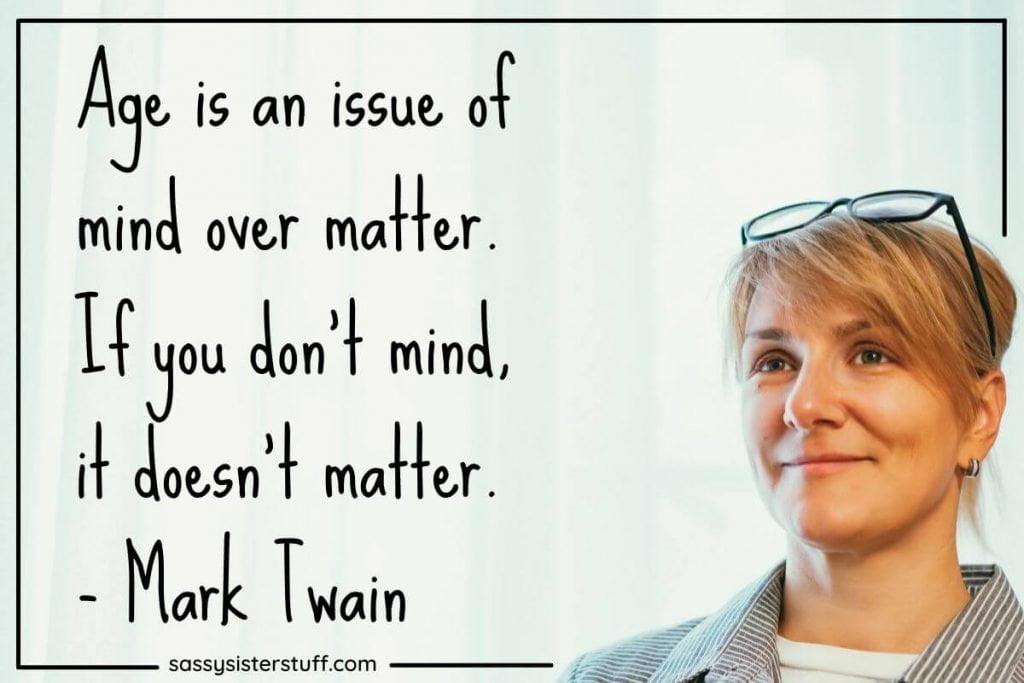
6. Make Room for Stress Relief and Connection
You may not be able to remove every source of stress. You can still look for small breaks and people who make the load easier to carry.
Start by noticing what helps you settle. It might be reading, gentle movement, listening to music, or spending a few quiet minutes outside.
The National Institute of Mental Health recommends relaxing activities and reaching out to people who can offer emotional support or practical help.
Connection doesn’t have to mean a crowded calendar. Send a message to a friend. Arrange a short phone call. Invite someone you trust to sit with you over iced tea.
If getting out is difficult, look for a way to connect that works from home. You don’t need to push past your limits to prove you’re making an effort.
And when stress, low mood, or anxiety makes daily life hard to manage, consider professional support. Everyday habits can support your well-being, but you don’t have to rely on them alone.

7. Practice a Kinder, More Realistic Mindset
Some days are hard. You can admit that without deciding the whole future is hopeless.
Pay attention to how you speak to yourself, especially when you’re tired or something hasn’t gone as planned. Would you use those same words with a friend?
Try replacing a harsh judgment with something more accurate:
- “I never get anything right” can become “This didn’t go well. What can I change next time?”
- “I should be able to handle everything” can become “I need help with part of this.”
- “It’s too late for me” can become “What is still possible for me now?”
Gratitude can be part of this practice, too. Notice one thing you appreciate without asking it to cancel out everything that’s difficult. You can be thankful for a kind friend and still feel sad or overwhelmed.
Also consider whether an expectation needs to change. Saying no, delegating a task, or allowing yourself more time may be more useful than telling yourself to try harder.

8. Use Journaling to Check In With Yourself
A journal gives you a place to put thoughts you haven’t had time to sort through. You can record memories, name a worry, or think about what you want next.
You don’t need beautiful handwriting or a page full of wise thoughts. A few honest lines will do.
Try one of these prompts:
- What has been taking most of my energy lately?
- What helped me feel more like myself today?
- What do I need more of this week?
- What am I ready to ask for help with?
- What is one small thing I want to look forward to?
If writing by hand is uncomfortable, type a note or record a short voice memo.
Keep the goal modest: a little space to hear yourself. You don’t need to turn every entry into a lesson or solve a problem before closing the notebook.
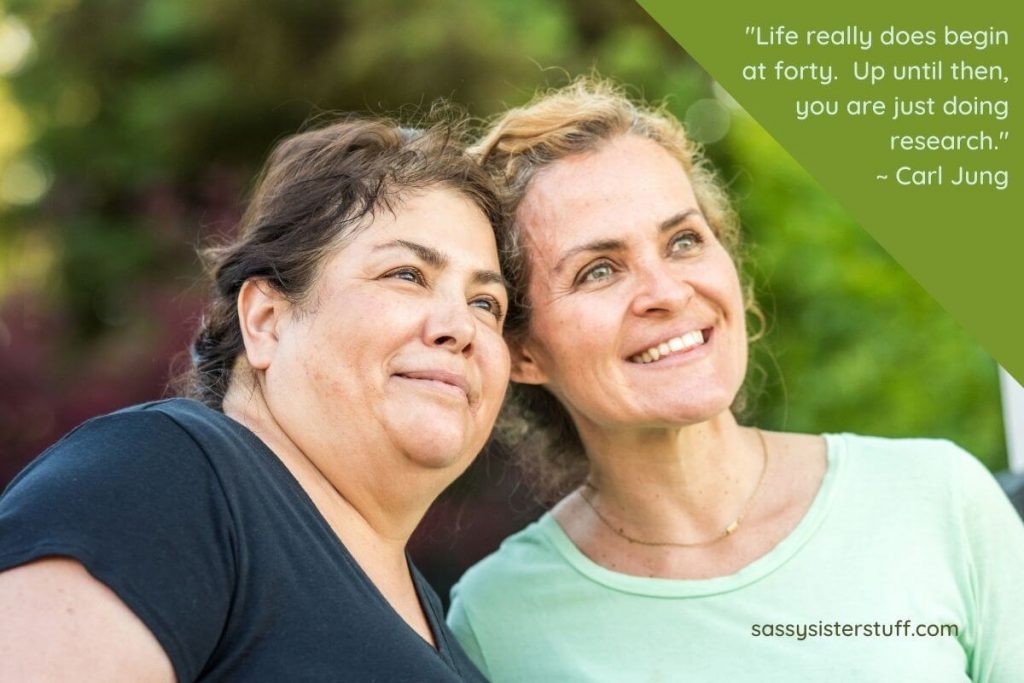
9. Give Yourself Something to Look Forward To
A bucket list can include small pleasures as well as big dreams.
Maybe you’d like to travel somewhere new. Maybe you’d like to see a local play, learn a craft, visit an old friend, or finally read the books waiting on your shelf.
Choose one idea that fits your current time, budget, and abilities. Then take a small step toward it:
- Find the date of an event.
- Check the cost of a class.
- Call the friend you’ve been meaning to see.
- Set aside an afternoon for something you enjoy.
You can want more for your life while still appreciating what you have. Make room for an experience that interests you, even if it seems too ordinary to belong on a bucket list.
An afternoon you look forward to counts.

~ Dale Hanson Bourke
Common Wellness Habit Mistakes to Avoid
Even helpful habits can become frustrating when you expect too much from them.
Watch for these common traps:
- Changing everything at once. Start with one or two changes so you can see what actually fits.
- Choosing habits you dislike. Look for another way to meet the same need. A walking group may suit you better than a gym membership.
- Making the routine too rigid. Keep a smaller version available for busy or low-energy days.
- Expecting habits to solve every problem. Ongoing health concerns and emotional distress may need support beyond a daily routine.
- Treating a missed day as failure. Return to the habit when you can, without adding guilt to the list.
Notice what’s working before adding more. Your routine should leave room for living, too.
Frequently Asked Questions About Daily Wellness in Midlife
Pin to Your Favorite Pinterest Board for Later
Related Articles
- 7 Daily Habits to Help You Find Calm, Presence, and Focus
- 30 Gentle Things to Do to Feel Like Yourself Again (When Life Feels Off)
- Simple Ways to Add Adventure to Everyday Life—No Travel Required

Final Thoughts: Choose One Place to Begin
These daily wellness tips give you options for caring for yourself in midlife and beyond. Some will fit your life now. Others may be useful in a different season.
Choose one habit you’d like to try this week. Make it small enough to fit a real day, then notice whether it helps. You can adjust as you go.
Which of these wellness tips would make the biggest difference in your day right now? Email me—I’d love to hear where you’re starting.
With light and love,
Susan 💜